

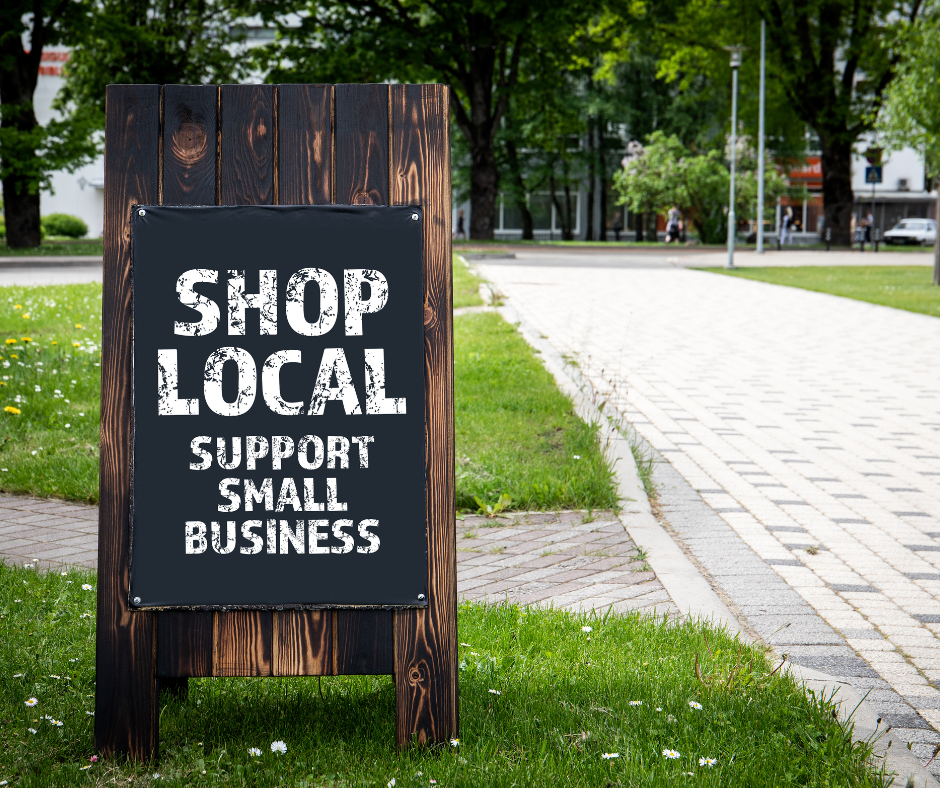
Marketing can feel overwhelming when you are running a small business. Between serving customers, managing employees, handling finances and keeping up with daily operations, finding time to promote your business may feel impossible. Trust me, we feel your pain.
The good news is that small business marketing doesn’t always have to require a huge budget or a complicated strategy. Consistency, clear messaging and a few well-chosen tools can make a meaningful difference.
Before creating social media posts, running ads or sending emails, make sure customers understand what your business does.
Your marketing should quickly answer three questions:
- What do you offer?
- Who do you help?
- Why should someone choose you?
Avoid trying to say everything at once. A simple, clear message is easier for customers to remember and more likely to encourage them to take action. As of 2026, you only have 1-3 seconds to convince someone to stop scrolling. Meta reports that people spend an average of 1.7 seconds viewing a piece of content.
Instead of saying your company offers “innovative workforce management solutions,” you might say, “We help small businesses track employee hours and simplify payroll.”
Focus on the Right Audience
Trying to market to everyone at once usually results in messaging that connects with no one.
Think about your ideal customer. What type of business do they own? What problems are they facing? What questions are they asking? Where do they spend time online?
Once you understand your audience, you can create content that speaks directly to their needs. This makes your marketing feel more helpful and less like a sales pitch.
Choose a Few Marketing Channels
Small businesses do not need to be active on every single platform.
Do your research. Choose the channels that are most likely to reach your customers and focus your energy there. This may include:
- Facebook or Instagram
- Email marketing
- Google Business Profile
- Local networking events (this one is super important)
- Blog content
- Paid search advertising
It is better to maintain two channels consistently than to create accounts on six platforms and rarely update them. Social media scheduling tools can also help save time by allowing you to create and schedule content for multiple platforms from one place.
Create Helpful Content
People are more likely to follow and trust a business that provides useful information.
Your content can answer frequently asked questions, explain common mistakes, offer quick tips or show how your product or service solves a problem. You can also share customer success stories, behind-the-scenes moments and company updates.
One helpful blog can often be turned into several pieces of marketing content. A single article may become a social media post, email topic, short video and sales resource.
This helps small businesses create more content without starting from scratch every time.
Keep Your Branding Consistent
Consistency helps customers recognize your business.
Use the same logo, colors, fonts, tone and key messages across your website, social media pages, emails and printed materials. Your content does not need to look exactly the same every time, but it should feel like it comes from the same company.
Clear branding makes a small business appear more established and professional.
Do Not Forget About Current Customers
Marketing is not only about finding new customers.
Staying connected with current customers can lead to renewals, repeat purchases, referrals and positive reviews. Send helpful emails, share product updates, request feedback and make sure customers know about additional services you offer.
A satisfied customer can become one of your strongest marketing tools.
Track What Is Working
You do not need complicated reports to measure your marketing.
Start by tracking a few basic results, such as:
- Website visits
- Contact form submissions
- Phone calls
- Email opens
- Social media engagement
- Demo requests
- New customers
- Customer referrals
Pay attention to which topics, platforms and campaigns generate real interest. Then spend more time on the strategies that produce results. The most important thing to consider is whether your marketing is helping your business attract, convert and retain customers.
Consistency Matters More Than Perfection
Marketing can become overwhelming really fast. Many small businesses delay marketing because they want every post, email or campaign to be perfect. But, it doesn’t need to be perfect, it just needs to be consistent.
Consistent and helpful marketing usually performs better than occasional polished content. Start with a manageable schedule and build from there.
You might publish one blog each month, post on social media twice a week and send one email newsletter. A simple plan that you can maintain is more valuable than an ambitious plan that quickly becomes overwhelming.
Build a Marketing System That Supports Your Business
With a clear message, a defined audience, consistent branding and useful content, small businesses can build trust and stay visible without spending a fortune.
Start small, stay consistent and continue learning from your results. Effective marketing is rarely about one viral post or one perfect campaign. It is about showing up regularly and giving customers a reason to remember your business.
Always remember – you can do this. Happy marketing!